
Palmerston North Electorate
- Location where the Show is being Filmed – Square Edge Community Arts
- Date of the show – 7pm – Saturday 10th October 2026
- Times to arrive – 6:30pm
- Broadcast starts at 7pm and finishes at 9pm or near
- Books your tickets here
- Submit your questions here – We will select the best questions for the show
Candidates who are Standing
This section enables candidates to display their contact information to allow voters easy access to candidates information in one place.
Submit your candidate information here – this does not commit attendance to ‘It’s in the Ballot’ show – It lets voters know who is standing for their Ward.
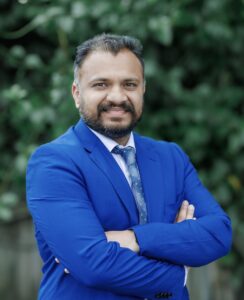
Netra Ghimire – Opportunity

-


- netra.ghimire@opportunity.org.nz
Helma Vermeulen – New Zealand First – Candidates has withdrawn her nomination

-
Teanau Tuiono – Ngā Kākāriki - Green Party Aotearoa NZ

-
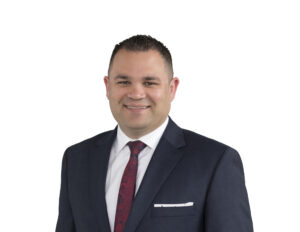
Tangi Utikere – Labour Party
-
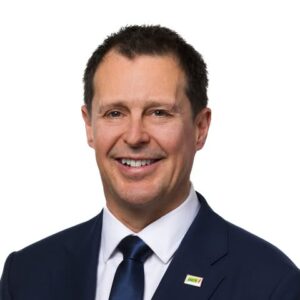
Bruce McGechan – ACT – Candidates has withdrawn his nomination
-


Questions that are in the Shows Boxes
- Palmerston North has been home to this Government’s bootcamps for teen offenders. How do you think that has gone, and if your party is elected, would anything change?
- What are your views on the current Government’s withdrawn proposal to charge a toll on SH3 Te Ahu a Turanga / Manawatū–Tararua highway? Will your party categorically rule out supporting a toll on that road in future?
- Do you believe New Zealand’s current immigration settings are sustainable given pressures on infrastructure, housing, public services and employment? If not, what would you change?
- Should New Zealand prioritise jobs for New Zealand-trained graduates, such as nurses, when there are suitably qualified applicants, and how would you balance that with our international trade and immigration commitments?
- Some have described the English Language Bill as a “waste of time”. Do you believe public signage and communications should primarily use English, te reo Māori, or both—and do you think the way languages are used on public facilities and assets strengthens the case for formally recognising English as an official language?
- Sir Apirana Ngata’s 1922 explanation of the Treaty of Waitangi focused on its three articles. Given that modern Treaty principles have subsequently been developed through the courts, the Waitangi Tribunal and legislation, do you believe those principles accurately reflect the original Treaty, and should Parliament define or entrench Treaty principles in New Zealand law?
- Do you believe New Zealand can promote diversity and inclusion while maintaining one standard of citizenship and equal application of the law to everyone? If so, how would you ensure those principles work together in practice?
- What do you believe are the main drivers of the cost-of-living pressures facing New Zealanders, and what immediate, practical and substantial action would you take to reduce those costs for households?
- Do you believe the Government should do more to address the high prices New Zealanders pay for essential food and other locally produced goods, particularly where large companies have significant market power? If elected, what specific action would you support to make these goods more affordable for households?
- If elected, will you support fully funding disability support services, including support for carers and family carers, and ensuring that funding decisions and spending are transparent to the public?
- What do you believe are the key causes of inequality and the growing gap between higher- and lower-income New Zealanders, and what policies or actions would you support to reduce that gap?
- By 2032, AI, automation, robotics and biotechnology could have significantly changed jobs, education and healthcare. What do you think New Zealand is least prepared for, and what would you do in your first term to ensure we are ready?
- With regard to industrial solar developments, including battery infrastructure known as BESS, on agricultural land, do you believe New Zealand needs legislation requiring decommissioning bonds or other financial guarantees to ensure solar and battery infrastructure is removed and disposed of safely in the event of bankruptcy or at the end of its life?
- What is your position on government ownership or nationalisation of essential services and businesses? What criteria would you use to decide when government ownership or majority government ownership is appropriate?
- New Zealand continues to fluoridate some public water supplies, while there is ongoing debate about the potential health effects of fluoride exposure, including evidence concerning neurodevelopment and IQ. Where do you stand on community water fluoridation, and how do you weigh the evidence against its documented dental-health benefits?
- For people who earn too much to qualify for government or subsidised housing but still struggle to afford market rents, who should own and provide affordable rental properties—and what role should government play?
- Of the five largest political parties, which one would your party be least willing to work with in a coalition, and what are the key reasons for that position?
- If your policy is intended to lower grocery prices, can you explain exactly where the savings will come from, given that supermarket prices are affected by suppliers, wholesale costs, distribution, store operating costs and competition—and why should Foodstuffs be targeted rather than Woolworths or other highly concentrated industries?
- If a nurse, teacher or lawyer posts a lawful opinion in their own time and in a personal capacity, should their regulator be able to punish them for it?
- How would you ensure people experiencing homelessness can enrol and exercise their right to vote when they may not have a permanent address, phone, or reliable access to family or whānau who can provide an address?
- Do you believe changes are needed to the Public Finance Act and the Reserve Bank Act to address inequality and improve economic outcomes in New Zealand? If so, what changes would you propose?
- The current election cycle has seen an increase in attack ads and claims about political opponents that have been challenged as false or misleading. Will you support changes to election advertising rules to prevent false or misleading claims and hold candidates and parties accountable for what they say?
- Would you support replacing the Ministry of Education with an independent education authority focused on improving educational outcomes and operating independently from day-to-day political influence?
- Why have you chosen to contest this electorate, and how seriously are you campaigning to win it? What level of time, resources and effort are you committing to the electorate, and what are you hoping to achieve through your candidacy, whether or not you win the seat?
- Do you believe enough is being done to support young New Zealanders to thrive, and what specific policies would you support to improve young people’s access to employment, housing, financial security, mental health support and opportunities for the future?
- What is your view on unfunded mandates where central government requires councils to undertake activities without providing the necessary funding, particularly while also proposing to cap council rates increases at a maximum of 4%?
- What is your party’s position on banning the sale of fireworks?
- What is your view of Te Tiriti o Waitangi and its significance to New Zealand today, and what role do you believe it should have in our future?
Hard-hitting Questions
HH1. Given New Zealand is already at the back of the OECD pack in science and innovation investment, how is MBIE’s announcement of 2 October 2026 for further cuts to science funding—21% in Health & Social Science, 28% in Environment, and 34% in the Primary Sector—in any way good for the nation, these sectors, or Palmerston North as a health, agritech and science city?
HH2. Palmerston North and the wider Manawatū-Whanganui region can sometimes feel overlooked, with major investment often occurring in response to infrastructure failures or individual projects rather than as part of a long-term strategy. What would your party do to develop and deliver a long-term investment plan for Palmerston North and the wider Manawatū-Whanganui region, and what infrastructure, health, transport, economic development and other priorities would you commit to supporting?
Highlight Videos from the Night
More to come
